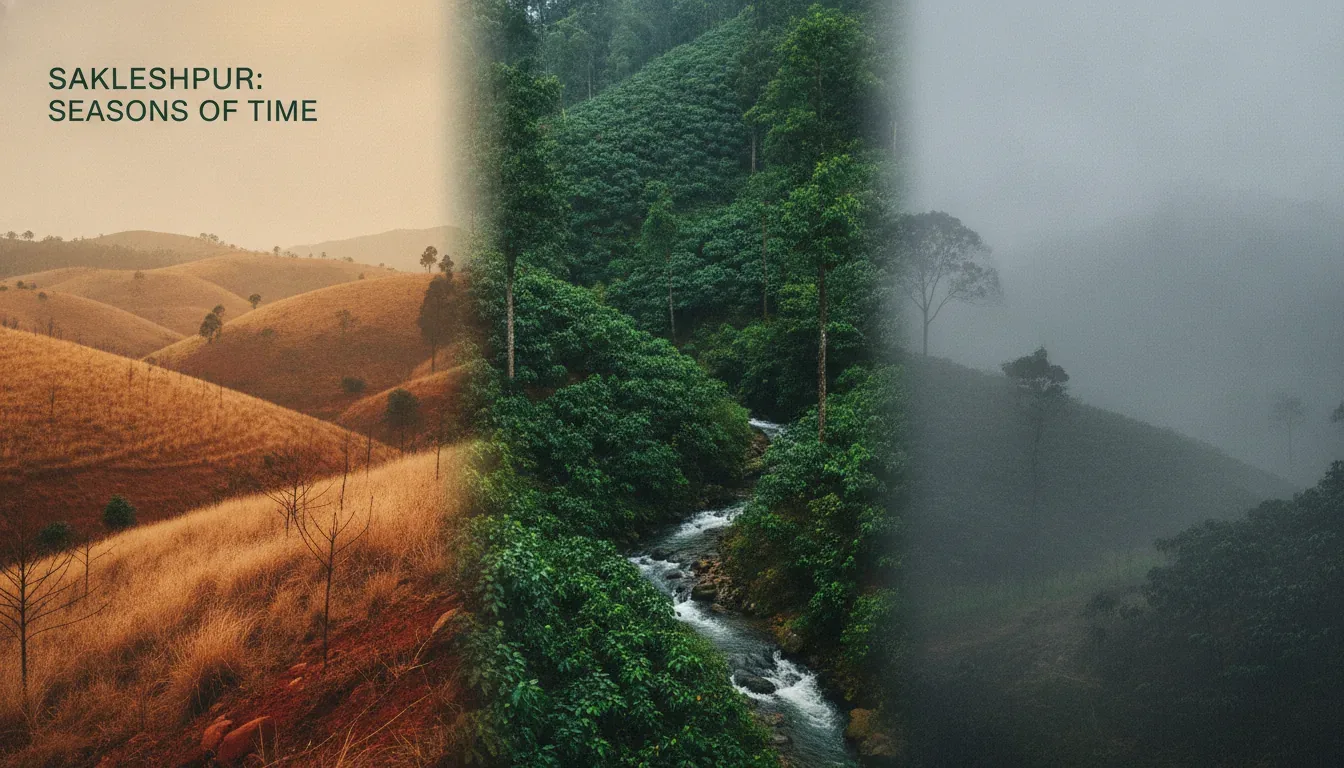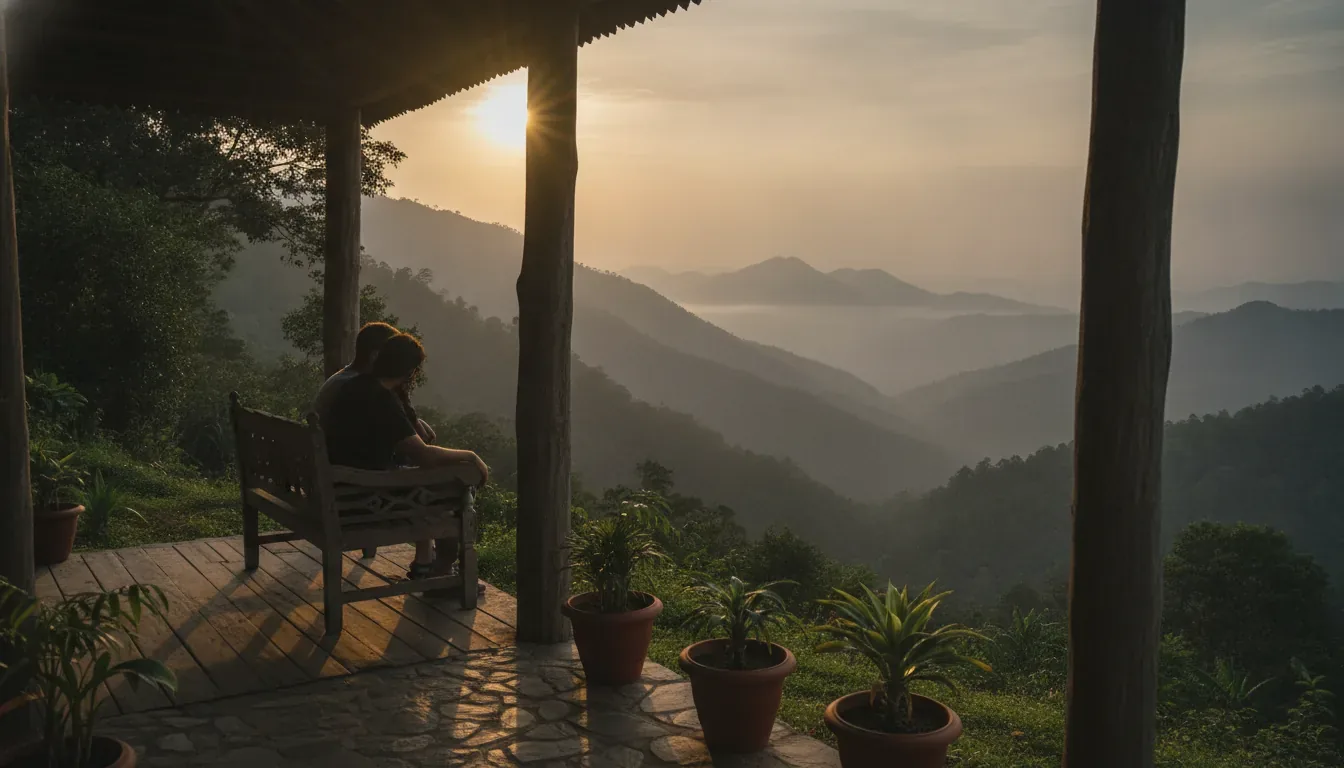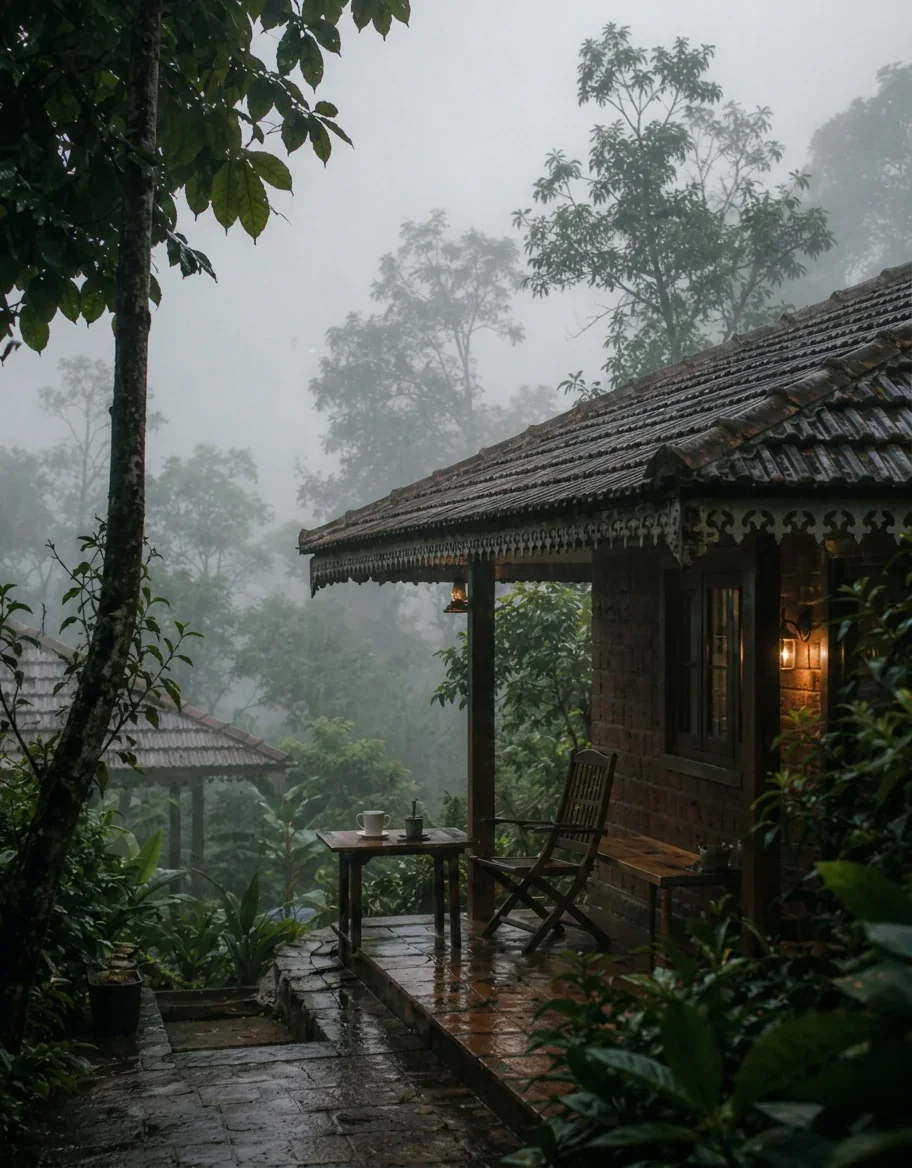
Sakleshpur gives a Bengaluru weekend a star-shaped fort, Western Ghats viewpoints, monsoon waterfalls and coffee estates, all about a 4 to 5 hour drive away. It sits in the Malnad belt of Karnataka, where the hills stay green for most of the year and the mist rolls in by evening.
The trouble is not finding places to visit in Sakleshpur. Every list online has 15 to 30 of them. The trouble is picking the right ones for your dates, in the right order, so the day is not spent in traffic or at a spot that is under water. One rider on Reddit r/bangalorebikes put it plainly: "Since it was a long weekend, Sakleshpur was crowded, hence we decided to just have a look at the Manjarabad fort."
This guide fixes that. Every spot below comes with its distance and drive time, the season it is best in, and an honest line on who should skip it. There is a 2-day plan at the end that keeps the driving simple.
First, the short answer: which places make the cut.
What are the must-visit places in Sakleshpur
Sakleshpur's must-visit places are Manjarabad Fort, Bisle Ghat View Point, Magajahalli, Manjehalli and Hadlu falls, Agni Gudda, Bettada Bhairaveshwara Temple and Shettihalli Rosary Church. Two days is the right length: the fort, the temple and a waterfall on day 1, then Bisle Ghat, or Shettihalli Church from December to May, on day 2. The Green Route railway trek is banned, and walking the track counts as trespass.
Manjarabad Fort, a star-shaped fort Tipu Sultan built in 1792, is the one sight to put first, and it is only 13 minutes from Ashvana.
How far is each place from a Sakleshpur base
Most of Sakleshpur's sights sit within an hour of the resort belt near Manjarabad Fort. The farthest regular day trips, Kukke Subramanya and Belur-Halebidu, are 1 hr 15 min to 1 hr 20 min away.
The distances and drive times below are from Ashvana, as the resort lists them. For four spots the resort does not list a time, so those rows show the distance from Sakleshpur town instead. Allow extra time in monsoon, when roads are slower.
Place
Distance
Drive time
Good forManjarabad Fort | 8.7 km | 13 min | History and views
Sri Sakleshwara Swamy Temple | 12.2 km | 17 min | Temple, town visit
Hadlu Falls | 13.5 km | 24 min | Monsoon waterfall, short walk
Manjehalli Falls | 14.8 km | 26 min | Easy roadside waterfall
Agni Gudda | 24.9 km | 38 min | Trek and views
Bisle Ghat View Point | 40.7 km | 57 min | Western Ghats views
Shettihalli Rosary Church | 41.2 km | 1 hr | Heritage, December to May
Hemavati Reservoir (Gorur) | 44.2 km | 1 hr | Sunset
Kukke Subramanya Temple | 62.1 km | 1 hr 15 min | Pilgrimage
Belur and Halebidu | 73.4 km | 1 hr 20 min | Hoysala heritage
Coffee-estate walk | On site | On site | Coffee
Magajahalli Falls | About 21.7 km from Sakleshpur town | Not listed | Monsoon waterfall
Mookanamane Falls | About 40 km from Sakleshpur town | Not listed | Monsoon waterfall
Bettada Bhairaveshwara Temple | About 35 km from Sakleshpura | Not listed | Temple, trail start
Jenukal Gudda (starts at the temple above) | About 35 km from Sakleshpura | Not listed | Day hike
The closest cluster is also the most visited, so start with the forts and viewpoints near base.
Which forts, viewpoints and hills should you see first
Manjarabad Fort is the one sight everyone should see: a star-shaped fort Tipu Sultan built in 1792, 13 minutes from Ashvana. After it, the choice depends on whether you want a view you can drive to or a hill you have to walk up.
1. Manjarabad Fort (Star Fort)
Manjarabad Fort is shaped like an eight-pointed star and stands at 988 m. Tipu Sultan built it in 1792, and its name is tied to the fog that covered it once it was finished. Inside you can still see a deep well and the old gunpowder cellars, and on a clear day the Arabian Sea is visible from the ramparts.
It is open from 8 am to 6 pm and there is no entry fee. The fort has close to 20,000 Google reviews, which tells you how busy it gets, so arrive at opening.
Go if: you want one short climb with history and a wide view. Skip it if: you are here on a long weekend and cannot make it by morning.
Best time: winter or just after the monsoon, when the mist makes the views.
2. Bisle Ghat View Point
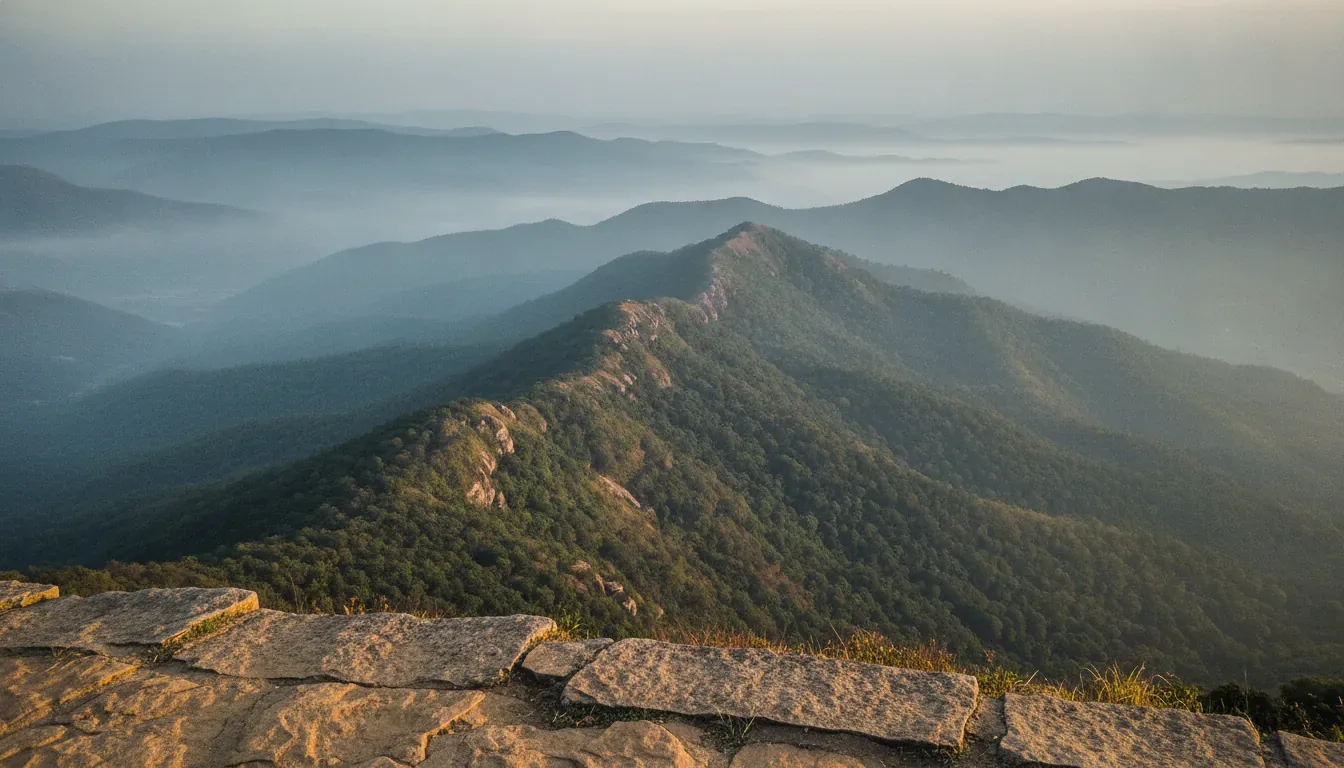
Bisle Ghat View Point, also spelt Bisile Ghat, looks out over the Bisle reserve forest to the ranges that include Pushpagiri and Kumaraparvatha. It is 57 minutes from Ashvana, so it works best as the main stop of a day rather than a quick detour.
Go if: you want the widest Western Ghats view in the area without a trek. Skip it if: the valley is fully clouded in; you may see only white.
Best time: clear winter mornings for the view, or July to September for the greenest hills.
3. Agni Gudda
Agni Gudda is a hill 38 minutes from Ashvana, listed by Karnataka Tourism alongside Jenukal Gudda and Bisle as a trekking spot around Sakleshpur. It makes a good late-afternoon walk on a day spent close to base.
Go if: your group likes a walk with a view at the end. Skip it if: anyone in your group is not steady on uneven ground in wet weather.
Best time: October to February, when trails are dry and skies are clear.
4. Jenukal Gudda
Jenukal Gudda, locally Jenukallu Gudda, rises to 1,383 m and is one of the highest hills around Sakleshpur. The trail starts at the Bettada Bhairaveshwara Temple, about 35 km from Sakleshpura, and it can be done as a day hike.
Go if: you have a full day and want a proper hike. Skip it if: you are travelling with small children or older parents.
Best time: winter, with an early start.
After the views come the waterfalls, which are at their best in monsoon.
Which Sakleshpur waterfalls are worth visiting, and which one is "Abbi Falls"
Sakleshpur's waterfalls are at their fullest from July to September, and at least three different falls go by the name Abbi. The easiest way to tell them apart is by village: Magajahalli Abbi Falls at Devaladakere, Mookanamane Abbi Falls at Jedigadde, and Manjehalli Falls, which many people also call Abbi Falls.
Two rules apply at every one of them: do not swim, and expect leeches on the paths in monsoon.
5. Magajahalli Falls (Magajahalli Abbi Falls)
Magajahalli Falls is near the village of Devaladakere, about 21.7 km from Sakleshpur town. It is one of the falls people search for most, and it flows hardest in the monsoon months.
Go if: you want a full monsoon waterfall. Skip it if: you are visiting in summer, when the flow drops.
6. Manjehalli Falls (the roadside "Abbi Falls")
Manjehalli Falls sits right beside the state highway, 26 minutes from Ashvana. It is the easiest fall to reach, which makes it the right pick for families with small children or older parents. It flows well in monsoon and gets thin in summer and winter.
Go if: you want a waterfall with almost no walking. Skip it if: you want a quiet spot; being by the road, it is rarely empty.
7. Mookanamane Falls (Mookanamane Abbi Falls)
Mookanamane Falls is near the village of Jedigadde, about 40 km from Sakleshpur town. It is farther out than the others, so pair it with another stop on the same side rather than making a special trip.
Go if: you have already seen the closer falls and want one more. Skip it if: you are short on time.
8. Hadlu Falls
Hadlu Falls is 24 minutes from Ashvana and drops in six stages. Getting there means a half-gravel, half-mud track and then a walk of about 45 minutes.
Go if: your group can handle a muddy walk. Skip it if: you have small children or older parents with you; Manjehalli is the easier choice.
Driving on? Mallalli Falls, near Somwarpet in Kodagu, is a worthwhile add-on if your route takes you that way.
When the rain is heavy, the temples and heritage sites are the sights that still work in any weather.
Which temples and heritage sites are worth a detour
Sri Sakleshwara Swamy Temple is the riverside temple the town is named after, 17 minutes from Ashvana near the Hemavathi bridge. The rest of this group ranges from a hilltop temple to a UNESCO-listed pair of Hoysala towns. Temples keep their own hours, so go in daylight.
9. Sri Sakleshwara Swamy Temple and the town
The Sri Sakleshwara Swamy Temple stands near the Hemavathi bridge on BM Road and gives Sakleshpur its name. Pair it with a walk through the town for coffee and spices.
Go if: you want an easy, rain-proof stop close to base. Skip it if: you only have time for one sight; make that the fort.
10. Bettada Bhairaveshwara Temple
Bettada Bhairaveshwara Temple is an old hilltop temple on the Maragunda, Mudigere side, and the start of the Jenukal Gudda trail.
Go if: you are doing the Jenukal Gudda hike, or want a quiet temple with a view. Skip it if: you are not heading out that way.
11. Shettihalli Rosary Church (the "floating church")
French missionaries built the Shettihalli Rosary Church in the 1860s. It was abandoned after the Hemavati dam and reservoir came up, and now the backwaters decide when you can see it. From July to October it is under water. From December to May it stands clear.
It is 1 hour from Ashvana. Go if: your dates fall between December and May. Skip it if: you are visiting in monsoon; you will find water where the church should be.
12. Belur and Halebidu
Belur and Halebidu are part of the UNESCO World Heritage site "Sacred Ensembles of the Hoysalas". They are 1 hr 20 min from Ashvana, so they need most of a day.
Go if: you like temple carving and history. Skip it if: you only have one day in Sakleshpur.
13. Kukke Subramanya Temple
Kukke Subramanya Temple is a major pilgrimage temple 1 hr 15 min from Ashvana.
Go if: it is part of your family’s plan anyway, or you have an extra day. Skip it if: your trip is two days and sightseeing comes first.
Between the sights, the slower things are often what people remember: coffee, and the reservoir at sunset.
What can you do in Sakleshpur beyond sightseeing
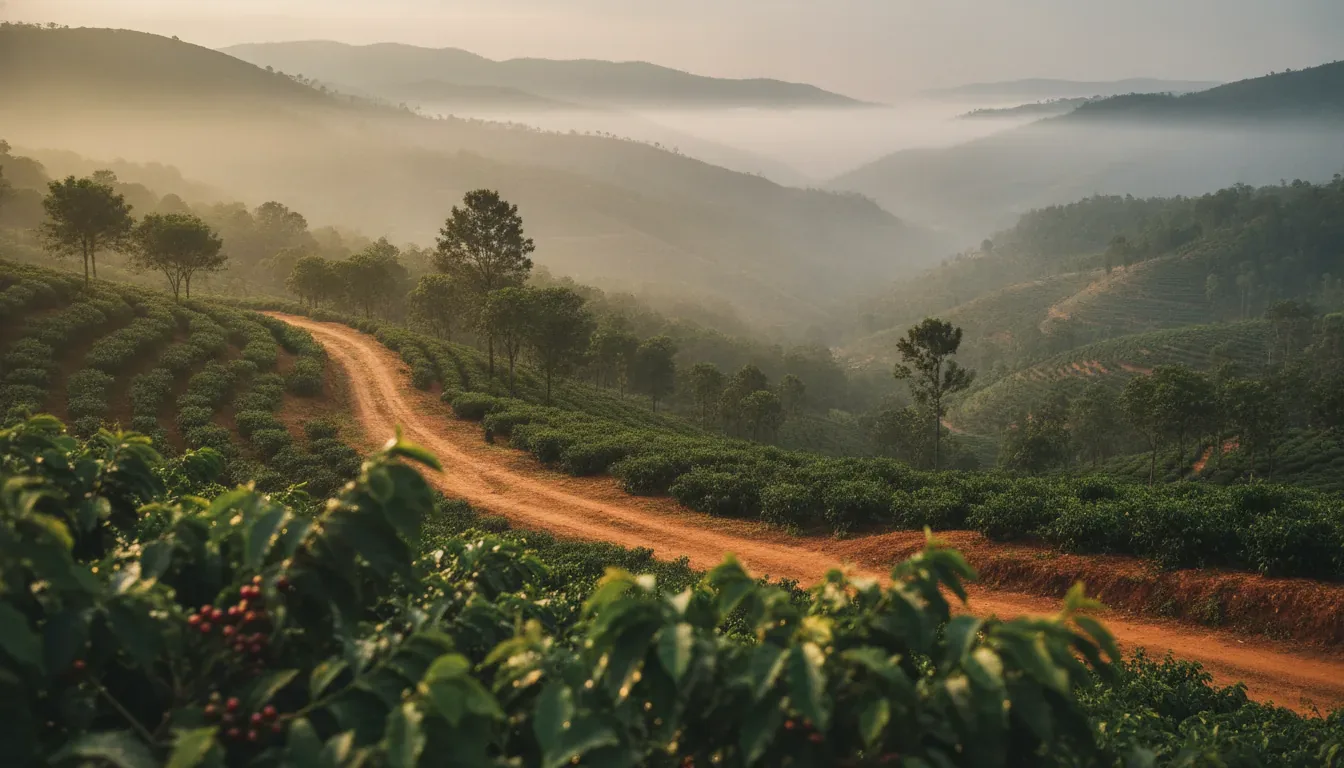
A coffee-estate walk is the most local thing to do in Sakleshpur, because the town sits in Malnad coffee country. Coffee estates line the roads in every direction, and they shape the look and the smell of the place.
14. Coffee-estate walk and tasting
A walk through a working estate shows you how the plants are grown and how the beans are picked and processed, and it usually ends with a cup. At Ashvana, coffee plantation walks and tastings are part of the stay.
What to buy: coffee and spices from the estate belt are the natural things to take home.
15. Hemavati Reservoir (Gorur) at sunset
The Hemavati Reservoir at Gorur is 1 hour from Ashvana. It is the same reservoir whose backwaters cover the Shettihalli church in monsoon, so the two make a good pair from December to May.
Go if: you want a slow evening by the water. Skip it if: you are pressed for time on a short trip.
Which of these you pick depends on when you go.
Which places are best in monsoon, and which are better in winter
The best time to visit Sakleshpur is October to February for treks, clear views and the coffee harvest, and July to September for waterfalls and green hills. Summer, from March to May, brings warm middays, pleasant mornings and evenings, and fewer people.
Place
Monsoon (Jul to Sep)
Winter (Oct to Feb)
Summer (Mar to May)Waterfalls | At peak flow; do not swim | Flowing, lighter | Thin, especially Manjehalli
Treks (Jenukal Gudda, Agni Gudda) | Slippery, leeches | Best: clear skies, crisp air | Go early in the day
Manjarabad Fort | Misty, good after rain | Best for views | Go at opening
Shettihalli Rosary Church | Under water, skip | Visible from December | Visible, go
Coffee estates | Green, wet walks | Harvest season | Good for walks
Bisle Ghat View Point | Greenest, can cloud over | Clearest views | Hazy middays
The one hard rule in this table is Shettihalli: skip it from July to October. Searches for Sakleshpur peak in June and July and dip in February, so monsoon weekends are also the busiest.
Once you know the season, the next question is how many days to give it.
Is one day enough for Sakleshpur
One day in Sakleshpur covers Manjarabad Fort, the Sakleshwara temple and one waterfall, but two days is the right length if you want Bisle Ghat or Shettihalli as well.
The day-one sights are all close together: from Ashvana, Manjarabad Fort is 13 minutes away, the Sakleshwara temple 17, Hadlu Falls 24, Manjehalli Falls 26 and Agni Gudda 38.
A same-day return from Bengaluru is harder than it looks. The drive is 4 to 5 hours each way, which leaves little daylight for the sights themselves. If you can, stay one night.
Here is how two days fit together.
What does a 2-day Sakleshpur itinerary look like without backtracking
A 2-day Sakleshpur itinerary works best as the close sights on day 1 and one longer drive on day 2, chosen by season.
Day 1: close to base (all within 38 minutes of Ashvana)
- Manjarabad Fort at the 8 am opening, before the crowds.
- Sri Sakleshwara Swamy Temple and the town, for coffee and spices.
- Manjehalli Falls if you want easy and roadside, or Hadlu Falls if your group can walk the muddy track.
- Agni Gudda in the late afternoon.
Day 2: one longer trip, picked by season
- Any season (greenest July to September): Bisle Ghat View Point, 57 minutes away.
- December to May: Shettihalli Rosary Church (1 hour), then the Hemavati Reservoir for sunset (1 hour from base).
- Heritage day: Belur and Halebidu, 1 hr 20 min away.
Shettihalli is left out of the monsoon plan on purpose. From July to October the church is under the same reservoir you would be watching the sunset over.
With a third day: add Kukke Subramanya (1 hr 15 min) or the Jenukal Gudda day hike.
There is one route that is not in this plan, and it is the one people ask about most.
Can you trek the Green Route railway line
The Green Route railway trek is banned: walking on the railway line is trespass under Section 147 of the Railways Act, 1989, and a case can be registered against trekkers. As Tripoto warns: "The Green Route Trek is BANNED and is illegal to trek. A case will be registered against you..."
The risk is real on the ground too. On 06/21/2025, a landslide on the Sakleshpur to Subrahmanya Road section rolled boulders onto the track, and Bengaluru trains were held.
The legal way to see this stretch of the ghats is from a train seat, because Bengaluru trains run through this section. If you want to walk, Jenukal Gudda and Agni Gudda give you the hills without the railway line.
The Green Route is not the only monsoon risk worth planning for.
Is it safe to travel to Sakleshpur in monsoon
Sakleshpur in monsoon is safe for a planned trip if you stay off the railway line, keep out of the water at the falls and expect slow, muddy roads to the waterfalls. Rocks at the falls get slippery, leeches come out on the paths, and landslides can close roads and rail lines, as the 06/21/2025 slide on the Sakleshpur to Subrahmanya Road section showed. Check local conditions that morning before you set out.
A short monsoon checklist:
- Carry leech socks or salt.
- Wear shoes with a good grip.
- Do not swim at any waterfall.
- On estate roads, an SUV helps, or park and walk the last stretch so the car does not get stuck.
- Visit waterfalls in daylight only.
- Carry some cash and download offline maps before you leave.
The other thing that ruins a Sakleshpur day is crowds.
Is Sakleshpur crowded on long weekends, and how do you beat the crowds
Sakleshpur gets crowded on long weekends, especially at Manjarabad Fort, and stays can fill up. The fort has close to 20,000 Google reviews, and as the rider in our opening found, a long weekend can shrink a whole trip to one stop. Another traveller on Reddit r/india_tourism wrote that "resorts and stays were completely full."
Three simple moves help:
- Be at the fort at 8 am, when it opens.
- Save the far spots, Bisle Ghat and Shettihalli, for the quieter day of your trip.
- Book your stay before the long weekend, and pick weekdays when you can; they are calmer.
Where you stay decides how early you can reach the fort.
Where should you stay to see it all
The best base for Sakleshpur sightseeing is a stay near the Manjarabad Fort side of town, so the day-1 sights are all under 40 minutes away.
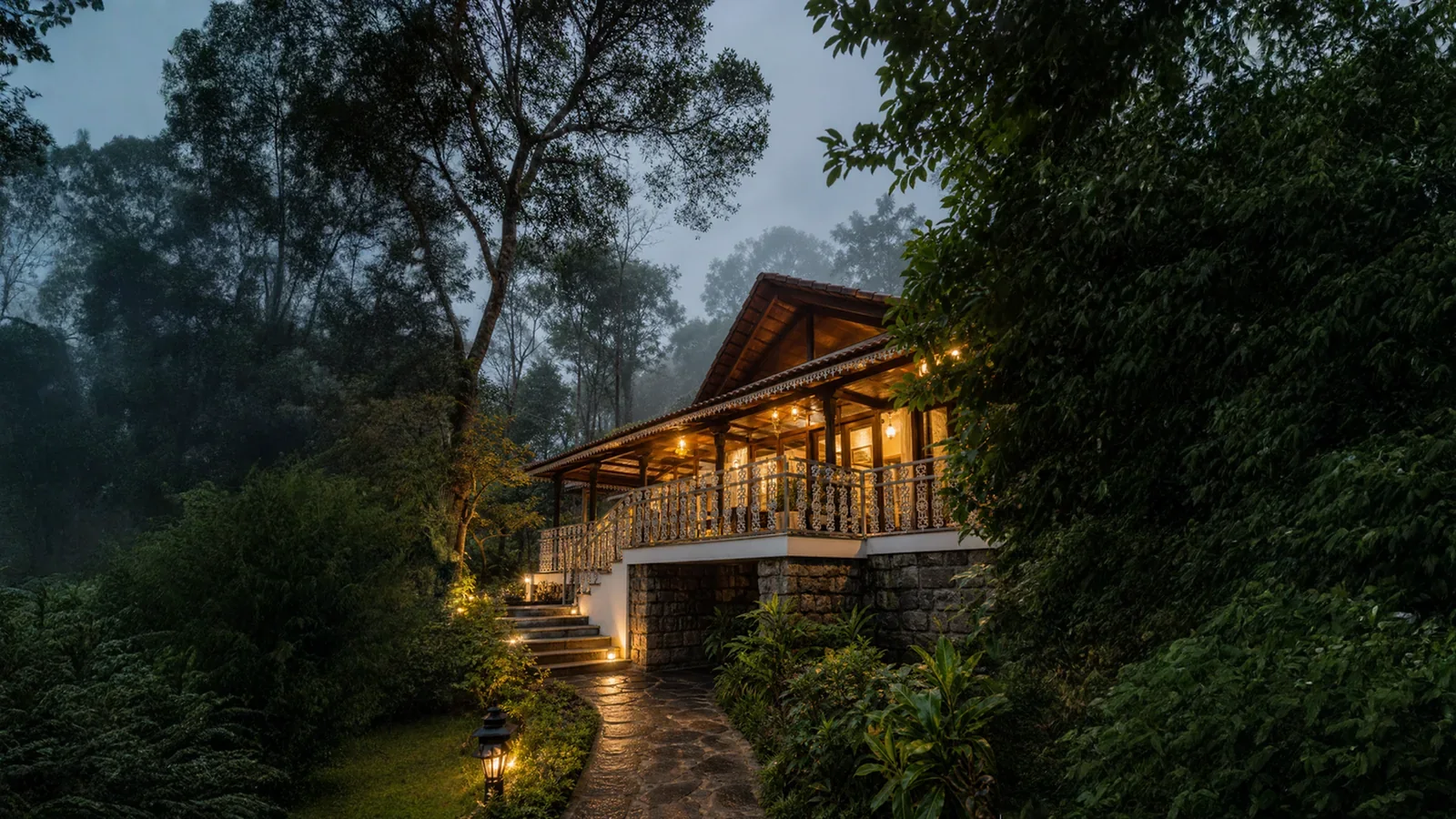
Ashvana, A Vibez Estates Signature, is a sustainable slow-luxury resort in Sakleshpur's Malnad hills, 8.7 km and 13 minutes from Manjarabad Fort. It sits on a 20-acre reserve, built in laterite, terracotta and timber, with five cottage types from the Twin Cottage to the Hornbill Suite.
On site you get coffee plantation walks and tastings, nature trails, an infinity pool and a spa, so the slower half of the trip does not need a car. It suits couples and families who want a quiet base between sightseeing days. Close enough for a weekend. Far enough to truly disconnect.
Make Ashvana your base, 13 minutes from Manjarabad Fort.
[Button] Book your stay
Or WhatsApp us on +91 91879 63043.
Good to Know
Questions, Answered
What is Sakleshpur famous for?
Sakleshpur is famous for Manjarabad Fort, the star-shaped fort Tipu Sultan built in 1792, for Western Ghats viewpoints like Bisle Ghat, and for its monsoon waterfalls. It is also Malnad coffee country, with coffee estates all around the town.
Which month is good to visit Sakleshpur?
October to February is good for treks, clear views and the coffee harvest. July to September is best for waterfalls and green hills. The season table above shows what is open when.
Is Coorg or Chikmagalur better than Sakleshpur?
Sakleshpur is the closer Malnad option from Bengaluru, at 4 to 5 hours by road. It suits a relaxed two-day trip, while Coorg and Chikmagalur suit longer stays; our Sakleshpur vs Coorg guide compares them in detail.
What to buy in Sakleshpur?
Coffee and spices from the estate belt are the best things to buy in Sakleshpur. Buy them in town or on an estate visit.
Which waterfalls are open in monsoon?
Manjehalli, Magajahalli, Mookanamane and Hadlu falls all flow from July to September. Manjehalli is the easiest, right beside the highway. Do not swim at any of them.
What are the nearest places to visit to Sakleshpur?
The nearest places to visit are Manjarabad Fort (13 minutes from Ashvana), the Sri Sakleshwara Swamy Temple (17 minutes), Hadlu Falls (24 minutes) and Manjehalli Falls (26 minutes).
Is Sakleshpur worth visiting?
Yes, Sakleshpur is worth visiting for a two-day trip from Bengaluru. The fort, the waterfalls and the coffee country are all close together, and weekdays are calmer than long weekends.